education Interventions
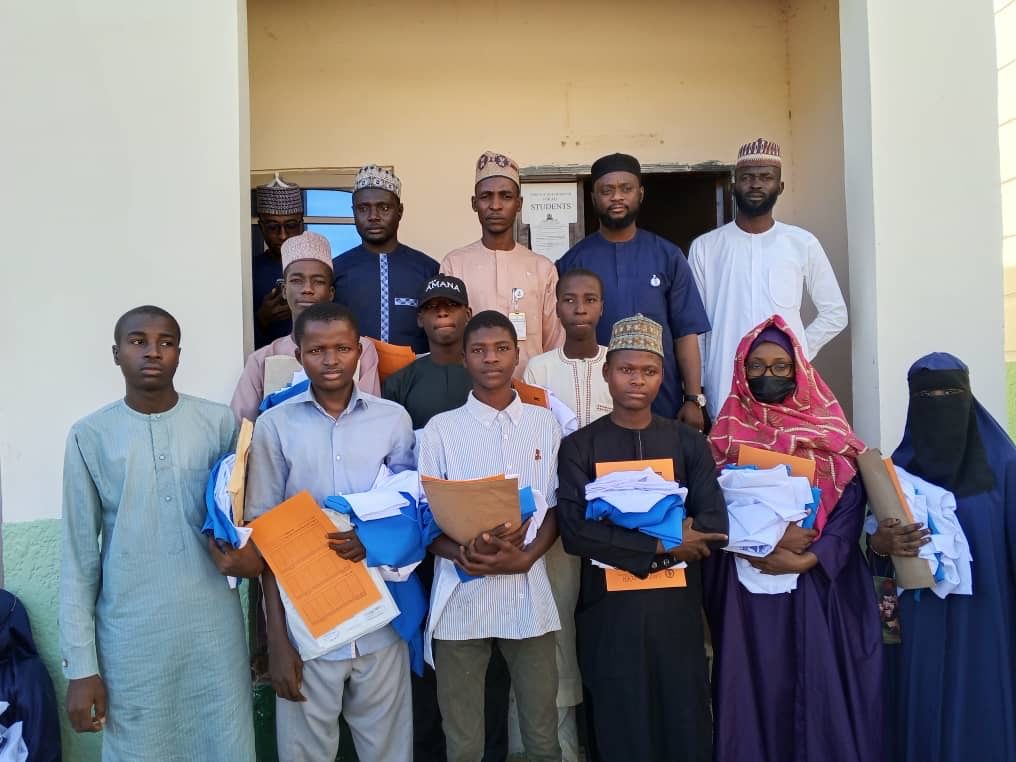
50 Students got Medical School Scholarship
The comprehensive scholarship and aid package, announced earlier this morning, covers the complete financial and material needs of selected students pursuing degrees in nursing, pharmacy, and community health. This "cradle-to-graduation" support model ensures that from day one, no student is held back by the cost of a stethoscope, a textbook, or a semester's tuition.
More Than Just Fees
While fee waivers are common, organizers emphasized the holistic nature of this program. Each beneficiary received:
- Full Tuition Coverage: All mandatory academic and lab fees for six semesters are paid directly to the institution.
- Professional Uniforms & Kits: Three sets of clinical scrubs, laboratory coats, and basic medical instrument kits.
- Complete Textbook Set: Essential core texts and reference manuals for the entire three-year curriculum.
Voices of Empowerment
At the distribution ceremony, [Name/Title of Organizer or Donor] stated: "Education in the medical field is not a privilege; it is a public necessity. By covering 100% of the costs for these three years, we are not just educating individuals—we are investing in the future health of our entire community. We are telling these young healers that their dreams are not a financial burden."
One visibly moved recipient, [Student Name], shared: "I had already given up on applying because I couldn't afford the clinical fees or the uniforms. Today, I am holding my future in my hands. I will graduate not just for myself, but to serve every patient who cannot afford care."
Impact on Community Health
Local health officials applauded the move, noting that financial attrition—students dropping out due to unpaid fees—has been a major contributor to the shortage of paramedics and nurses in the region. By guaranteeing three years of stability, this program is expected to produce a steady pipeline of qualified graduates ready to serve in rural and underserved clinics.
Strategic Education Allocation
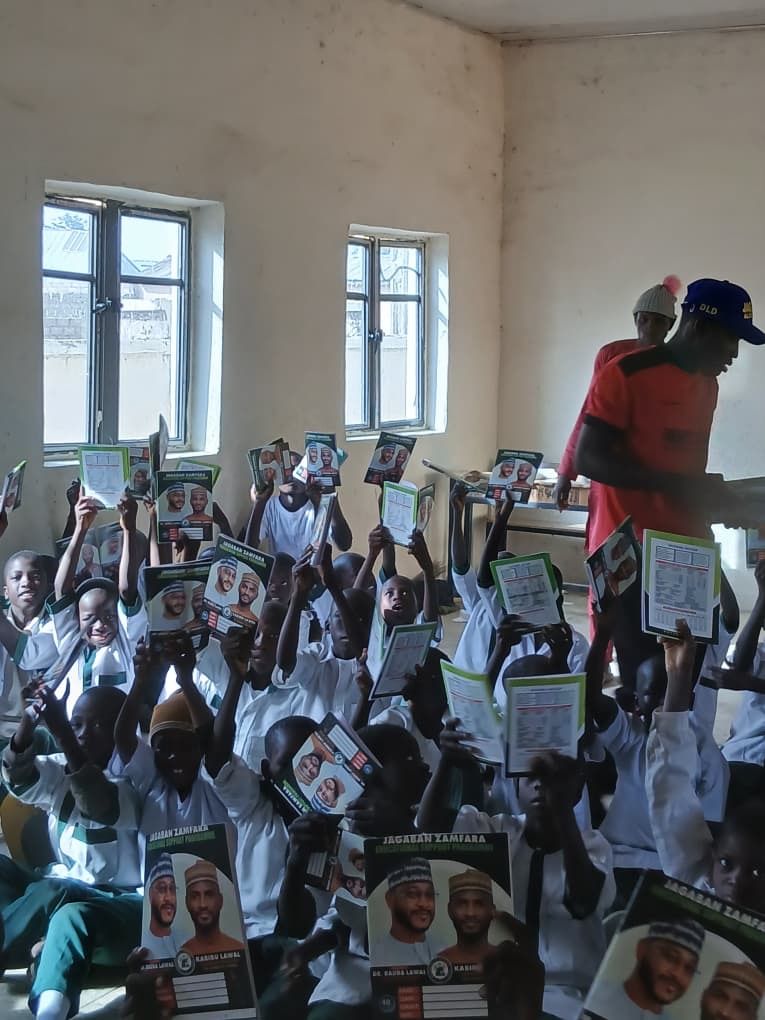
Birnin Magaji, Zamfara State – In a decisive move to overhaul the crumbling infrastructure and learning outcomes of public secondary schools, Hon. Kabiru Lawal (Jagaban Zamfara) has unveiled a meticulously planned strategy for the strategic allocation of educational resources across the Birnin Magaji Local Government Area.
Speaking during an education sector review meeting, Hon. Lawal outlined a data-driven approach that moves beyond token interventions. His plan prioritizes equity, accessibility, and long-term impact—ensuring that every school, regardless of its location or current enrollment, receives a fair and functional share of available resources.
Key Pillars of the Strategic Allocation
1. Needs-Based Distribution of Teaching Materials
Rather than the "one-size-fits-all" approach of the past, Hon. Lawal has instituted a needs-assessment audit. Schools with the highest student-to-textbook ratios or those lacking laboratory equipment for sciences are receiving priority intervention. To date, over 5,000 core subject textbooks (Mathematics, English, and Sciences) have been redistributed to the most underserved schools, while 12 new science laboratory kits have been allocated to schools preparing students for senior secondary examinations.
2. Rehabilitation of Critical Infrastructure
A significant portion of the allocated funds has been earmarked for the repair and construction of physical structures. Priority projects include:
- Classroom Rehabilitation: 15 dilapidated classrooms across three secondary schools are being renovated to combat overcrowding.
- WASH Facilities (Water, Sanitation, Hygiene): New boreholes and separate toilet facilities for male and female students have been completed in Government Day Secondary School, Birnin Magaji, and two rural satellite schools.
- Furniture Replacement: 300 dual desks and 40 staff tables have been procured and distributed to replace broken, hazard-inducing furniture.
3. Teacher Incentives and Capacity Building
Recognizing that resources are ineffective without motivated teachers, the allocation includes a monthly "rural hardship allowance" for educators posted to hard-to-reach areas within the LGA. Additionally, 50 teachers have been sponsored to attend pedagogical training workshops on modern classroom management and digital literacy.
4. Technology Integration Pilot
In a forward-looking move, three strategically located secondary schools have been equipped with solar-powered computer labs (20 units each). This resource allocation aims to bridge the digital divide between urban and rural Zamfara students.
The Jagaban Zamfara Philosophy
During his address, Hon. Kabiru Lawal (Jagaban Zamfara) stated:
"Strategic allocation is not about spending money; it is about solving problems with precision. For years, resources meant for Birnin Magaji’s children either never arrived or were spread so thinly that they made no difference. We have changed that. Today, we track every desk, every textbook, and every naira to ensure it reaches the child who needs it most. Our goal is simple: a functional, competitive public secondary school in every ward of this local government."
Early Impact and Community Response
Preliminary data from the Local Education Authority shows a 22% increase in student attendance in the three months since the strategic distribution began. Parents, who previously withdrew their children due to lack of furniture and materials, are now re-enrolling them.
Alhaji Umaru Sani, the Principal of Government Day Secondary School, remarked: "For the first time, we are not competing over chalk and chairs. Hon. Lawal listened to our audit. The books that arrived this week are exactly the subjects we lack. This is what strategic means—not just giving, but giving what is needed."
Looking Ahead
Hon. Kabiru Lawal has announced that a digital resource tracking dashboard will be launched next quarter, allowing parents and community leaders to monitor school-by-school allocation in real time. He also reiterated his commitment to advocating for increased federal and state funding to match the local government's strategic blueprint.